⚖️Disclosure: MyVivaVitality is a participant in the Amazon Services LLC Associates Program, an affiliate advertising program. If you buy something through a link on this page we may earn a small commission, at no extra cost to you. It never changes which bag we recommend — one of the best-known carry-ons on Amazon is on the skip list below.
Checking a bag on a major US airline now costs $45 or more each way for the first bag. That’s at least $90 for one round trip. If a family of four each checks a bag for Thanksgiving, that’s around $360 just to get the luggage there and back.
Do that for a couple of holiday trips a year and you’ve paid for a good carry-on several times over, without owning it.
That’s money spent every trip, on a bag that could have gone in the overhead bin.
The fix sounds simple: fit everything in a carry-on. The catch is that plenty of bags sold as “carry-on,” including some of the best-known ones, don’t actually fit what the airlines allow. You find that out at the gate, where checking it costs you more than it would have at the counter.
This guide compares three carry-ons that genuinely fit, and one popular bag that doesn’t.
| Bag | Size with wheels | 22 x 14 x 9? | What it is | The catch |
|---|---|---|---|---|
| Travelpro Maxlite 5, 20-inchOur pick | 22 x 14 x 9 in | Fits | Softside spinner, about 5 lb | Don’t expand it when you fly |
| Travelpro Platinum Elite, 20-inch | 22 x 14 x 9 in | Fits | Hardside spinner, just under 8 lb | The premium pick |
| Osprey Farpoint 40 | 21.7 x 13.8 x 9.1 in | Fits (soft) | Travel backpack | You carry every pound |
| Samsonite Freeform carry-on | 23 x 15.3 x 9.8 in | Over | Hardside spinner | Over the limit on all three |
Every bag here is sold as a carry-on. Only three of them are the size US airlines allow.
The size that actually matters
For the big US airlines (American, Delta and United), the standard carry-on limit is 22 x 14 x 9 inches, including wheels and handles.
That last part is where people get caught. Many bags are sold by the size of the case, not the size of the bag with its wheels and handle. A “21-inch” suitcase with chunky spinner wheels can easily measure 23 inches from the top of the handle to the bottom of the wheels.
Before you buy anything, find the listed dimensions including wheels and compare them to 22 x 14 x 9. If a listing doesn’t say, assume it’s the case size and that the real bag is bigger.
The Samsonite overshoots by an inch of height, more than an inch of width, and most of an inch of depth. Enough for a gate agent to notice.
Two more things to check:
- Expandable zippers. Expanding a carry-on adds an inch or two of depth, and that pushes it past the 9-inch limit. Treat the expansion as something you use on the way home, if at all.
- Your fare. Some airlines’ cheapest basic economy fares allow only a personal item that fits under the seat, not a full-size carry-on. Check before you pack, or the fee comes back.
Amazon pricing moves constantly, so check the current figure before you buy. Here are the three that fit, and the one that doesn’t.
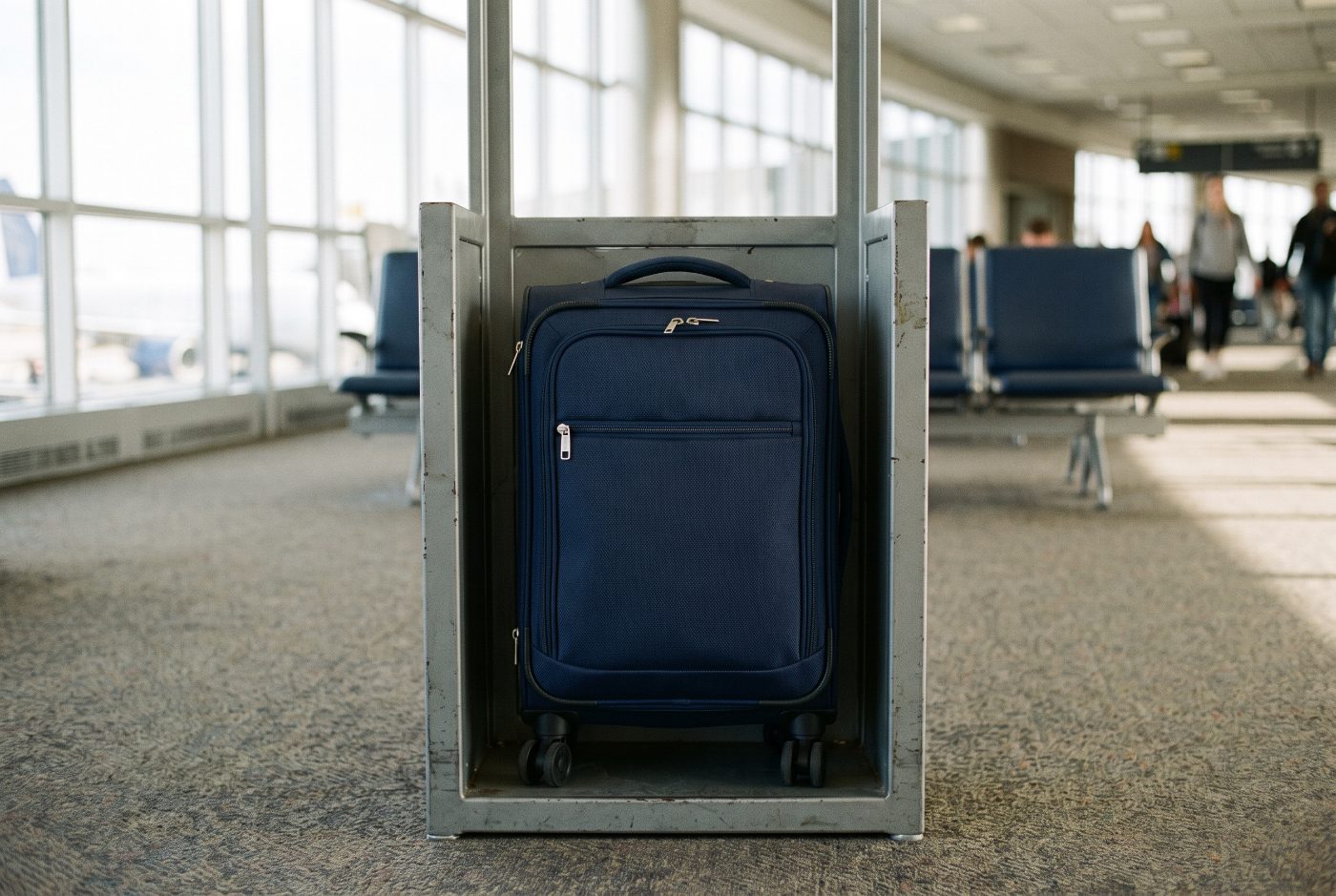
Travelpro Maxlite 5 20″ Softside Carry-On Spinner
Our pick · fits to the inchThis is the one I’d buy for most people.
- Right for
- Anyone who wants the lightest practical rolling carry-on. Travelpro lists it at exactly 22 x 14 x 9 inches with the wheels and handle included, which is the airline limit to the inch, and it weighs about 5 pounds. Every pound the bag doesn’t weigh is a pound of clothes you can pack.
- Skip it if
- You want a hard shell. It’s a soft fabric bag, which is lighter and squeezes into tight overhead bins, but it won’t protect fragile things the way a hardside case will.
- The drawback
- Don’t use the expansion zipper when you fly. Expanded, it’s past the 9-inch depth limit. And watch which size you order: the 21-inch version of the same bag measures 23 inches with wheels, which is over the limit.
Travelpro Platinum Elite 20″ Hardside Carry-On Spinner
The hard-shell pickThis is the pick if you want a hard shell.
- Right for
- Travelers who pack gifts, bottles or anything that doesn’t like being squashed. It’s also listed at 22 x 14 x 9 inches with wheels, and Travelpro says it’s tested in airline sizer bins. The hard shell protects what’s inside and wipes clean after a trip through a slushy parking lot.
- Skip it if
- You want the lightest possible bag. At just under 8 pounds, it’s noticeably heavier than the Maxlite, and that weight comes out of what you can pack.
- The drawback
- The price. It’s the premium pick, several times what a basic suitcase costs. It also opens like a clamshell, so you need floor space for both halves when you pack.
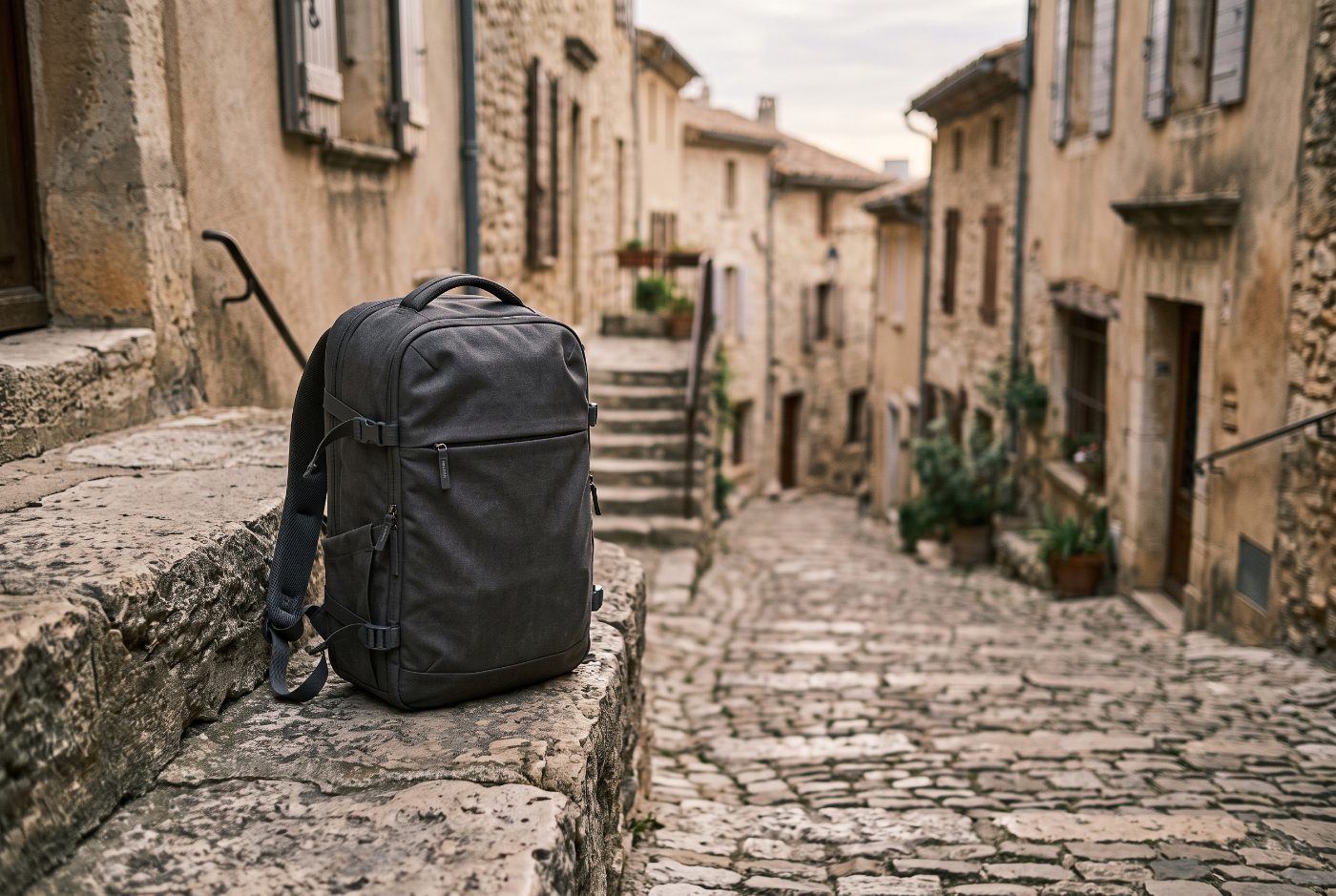
Osprey Farpoint 40 Travel Pack
The backpack pickThis is the pick if you’d rather not roll anything.
- Right for
- Travelers who deal with stairs, cobblestones, subways or crowded airports. A backpack goes everywhere a rolling bag struggles. At about 21.7 x 13.8 x 9.1 inches, with no wheels or handle eating into the space, it gets a lot of room out of the allowance, and a soft pack squeezes into a sizer where a hard case can’t.
- Skip it if
- You’ll walk a long way through the airport and would rather not carry the weight. With a backpack, you carry every pound.
- The drawback
- It’s a backpack, not a suitcase. Packing cubes help a lot, because there’s no rigid frame to keep your clothes in shape.
Samsonite Freeform Hardside Carry-On Spinner
Over the US limitThis is a good suitcase. It just isn’t the size US airlines allow.
- Right for
- Travel where you’ll be checking a bag anyway, or airlines with a more generous carry-on limit.
- Skip it if
- Your goal is to avoid the bag fee on American, Delta or United.
- The drawback
- Samsonite’s own listing gives its size with wheels as 23 x 15.3 x 9.8 inches. That’s over the 22 x 14 x 9 limit on all three measurements, even though it’s sold as airline-approved for “most airlines.” It may well get on board on a quiet day. But if the gate agent checks, it gets checked, and a gate-checked bag usually costs more than checking it at the counter would have. You’d end up paying the fee you bought it to avoid.
What most people get wrong
They trust the word “carry-on” in the product name. Check the dimensions including wheels, every time. Even the big brands sell “carry-ons” that are over the US limit.
They buy the 21-inch size. In most luggage lines, the 21-inch model is the one that measures 23 inches with wheels. The 20-inch model is usually the one that actually fits.
They expand the bag. The expansion zipper is the most common way a legal carry-on becomes an illegal one.
They forget about the personal item. Most fares allow a carry-on and a personal item that fits under the seat. A small backpack or tote holds your laptop, chargers and snacks, which frees up the carry-on for clothes.
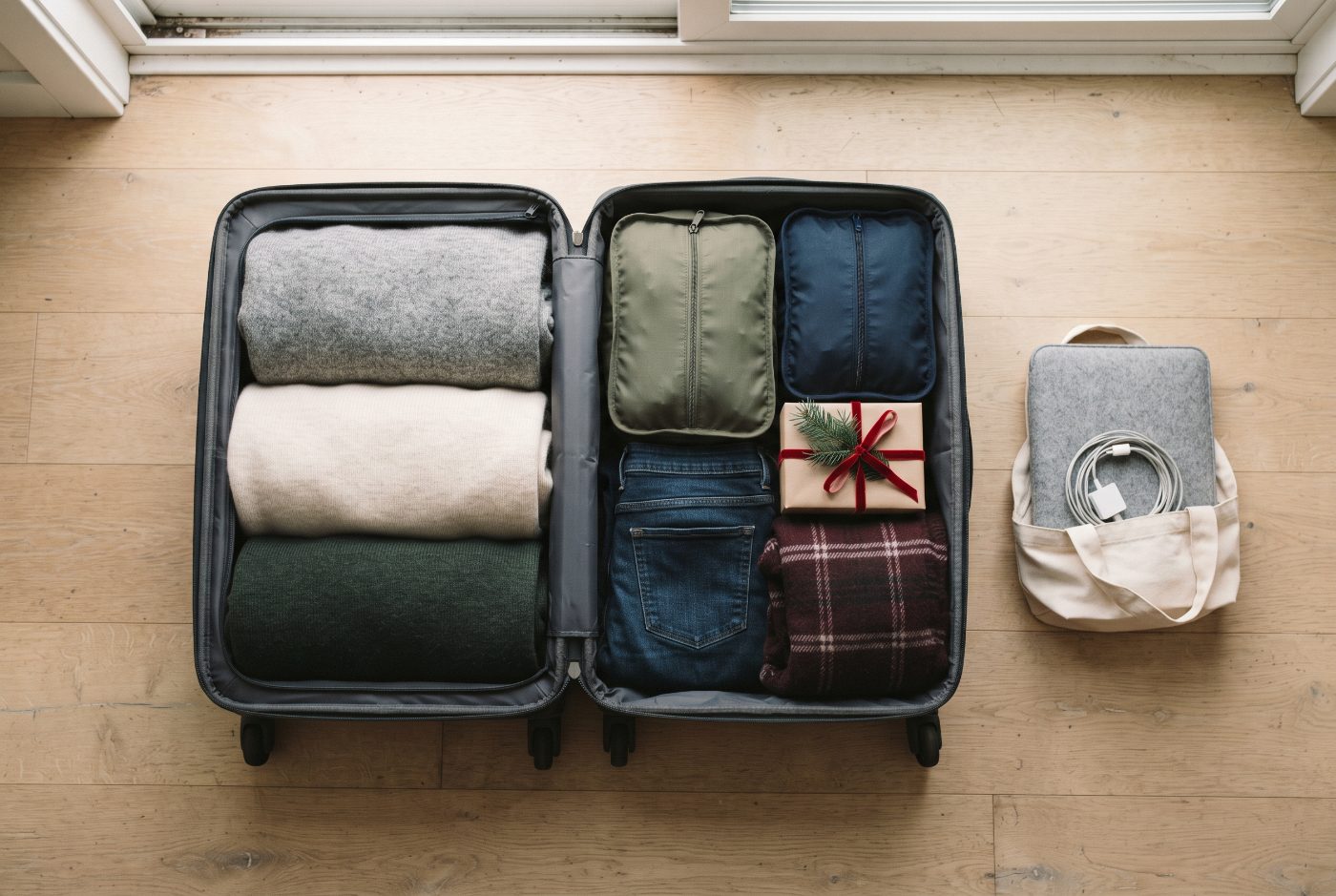
They pack for every possible situation. The best way to fit a week into a carry-on is to plan outfits that share pieces, and to wear the bulkiest shoes and coat on the plane.
Here’s what I’d pick
For most people, get the Travelpro Maxlite 5 in the 20-inch size. It’s light, it fits the US limit to the inch, and you can pack a surprising amount into it. At $90 or more in checked-bag fees per round trip, it pays for itself within a couple of trips.
If you pack fragile gifts and don’t mind the price, go for the Travelpro Platinum Elite hard shell. If you hate rolling a bag through a crowd, the Osprey backpack is the one.
Whatever you pick, measure it with the wheels on, and leave the expansion zipper closed.