
⚖️Disclosure: MyVivaVitality is a participant in the Amazon Services LLC Associates Program, an affiliate advertising program. If you buy something through a link on this page we may earn a small commission, at no extra cost to you. It never changes which planner we recommend — our pick is the simplest one on this page.
Every January, planners fly off the shelves. By March, most of them are sitting in a drawer with the first eight weeks filled in and the rest blank.
Usually that’s not a willpower problem. It’s a fit problem. People buy a planner built for someone who writes a page a day, when they write three lines. Or they buy one with goal worksheets, habit trackers and monthly reviews, when all they wanted was somewhere to write down Thursday’s dentist appointment.
The fix is to match the layout to how much you actually write. This guide compares three planners with very different layouts, and one kind of planner to think twice about.
| Planner | Layout | Dated? | Size | Best for |
|---|---|---|---|---|
| Moleskine 2027 Weekly, LargeOur pick | Week on one page, notes page opposite | Jan–Dec 2027 | 5 x 8.25 in | Most people |
| Hobonichi Techo 2027 Original | A page per day | Jan–Dec 2027 | A6, 4.1 x 5.8 in | People who write every day |
| Clever Fox Planner Premium | Weekly and monthly, with goal pages | Undated | — | Goal-setters who start any time |
| The “complete life system” planner | Everything at once | Varies | — | People who already plan in detail |
The pick is the simplest layout here. That’s the point: it’s the one most people will still be filling in come March.
The layout is the whole decision
There are three common layouts, and they give you very different amounts of room per day:
- A page per day. The most room by far. Good for people who journal, keep detailed to-do lists, or glue in tickets and receipts. Too much for people who don’t, and blank pages pile up fast.
- A week on one page, with a notes page opposite. The whole week at a glance, a few lines per day, and a page for everything else. Enough for appointments and a short to-do list.
- A week across two pages. More room per day than a week on one page, and often with space for weekly goals or priorities.
Here’s a rough way to see the difference. An A6 page-a-day planner gives each day a whole page about the size of a postcard. A large weekly planner with the week on one page gives each day roughly a quarter of that. Neither is better. What matters is which one matches the amount you write.
Three lines a day fits comfortably in the smallest box. A full journal entry needs the biggest one. Buy the box that matches what you write.
Dated or undated? A dated planner has the days printed in: tidy, but if you skip a month, those pages are wasted. An undated one lets you start any time and skip weeks without leaving gaps, at the cost of writing in the dates yourself.

Amazon pricing moves constantly, so check the current figure before you buy. Here are the three, and the one to think twice about.
Moleskine 2027 12-Month Weekly Planner, Large
Our pick for most peopleThis is the one I’d buy for most people.
- Right for
- Anyone who mainly needs to know what’s happening when. It’s dated January to December 2027, with the week on the left page and a ruled notes page on the right. That’s enough room for appointments, deadlines and a short list, plus a whole page for everything else. At 5 by 8.25 inches with a soft cover, it fits in most bags.
- Skip it if
- You like to write a lot about each day. A few lines per day fills up fast.
- The drawback
- It’s dated. If you stop using it for a month, those weeks are gone, and it runs January to December only.
Hobonichi Techo 2027 Original (A6, English)
For people who write every dayThis is the pick for people who write every day.
- Right for
- Journal-keepers, list-makers and anyone who likes to keep a record of their days. It gives every day its own A6 page of fine graph paper. The thin Tomoe River paper keeps 464 pages to about 195 grams and 0.6 inches thick, and the stitched binding lies flat without holding it open.
- Skip it if
- You write a line or two a day. You’ll end up with a year of mostly empty pages.
- The drawback
- It’s a commitment. A page a day is lovely when you use it, and a reproach when you don’t. The thin paper also shows some ink through from the other side, which some people love and some don’t.
Clever Fox Planner Premium (Undated Weekly)
For goal-settersThis is the pick for goal-setters who want to start any time.
- Right for
- People who want structure beyond a calendar: yearly goals, monthly calendars, weekly planning pages and monthly reviews. It’s undated, so you can start in September or skip a busy month without leaving gaps. It comes with stickers and a user guide.
- Skip it if
- You just want a calendar. All those extra sections are only worth it if you use them.
- The drawback
- It asks a lot of you. If the goal-setting pages aren’t your thing, you’re carrying a lot of paper you’ll skip.
The “complete life system” planner
Think twice- Right for
- People who already plan in detail and know they’ll fill in every section.
- Skip it if
- This is your first planner, or you’ve abandoned planners before.
- The drawback
- Planners that promise to organize every area of your life at once (vision boards, habit trackers, budget pages, gratitude logs, goal worksheets) look great in January. They’re also the ones that end up in the drawer, because there’s too much to keep up with. Start simple. You can always add more next year.
What most people get wrong
They buy for the person they want to be. Buy for the amount you actually write today. If that’s three lines a day, a weekly layout is right.
They wait until January. Dated planners are on shelves months before the year starts. Buy in December and you’re ready on day one.
They give up after one missed week. An empty week isn’t a failure. Turn the page and keep going. That’s the real advantage of an undated planner.
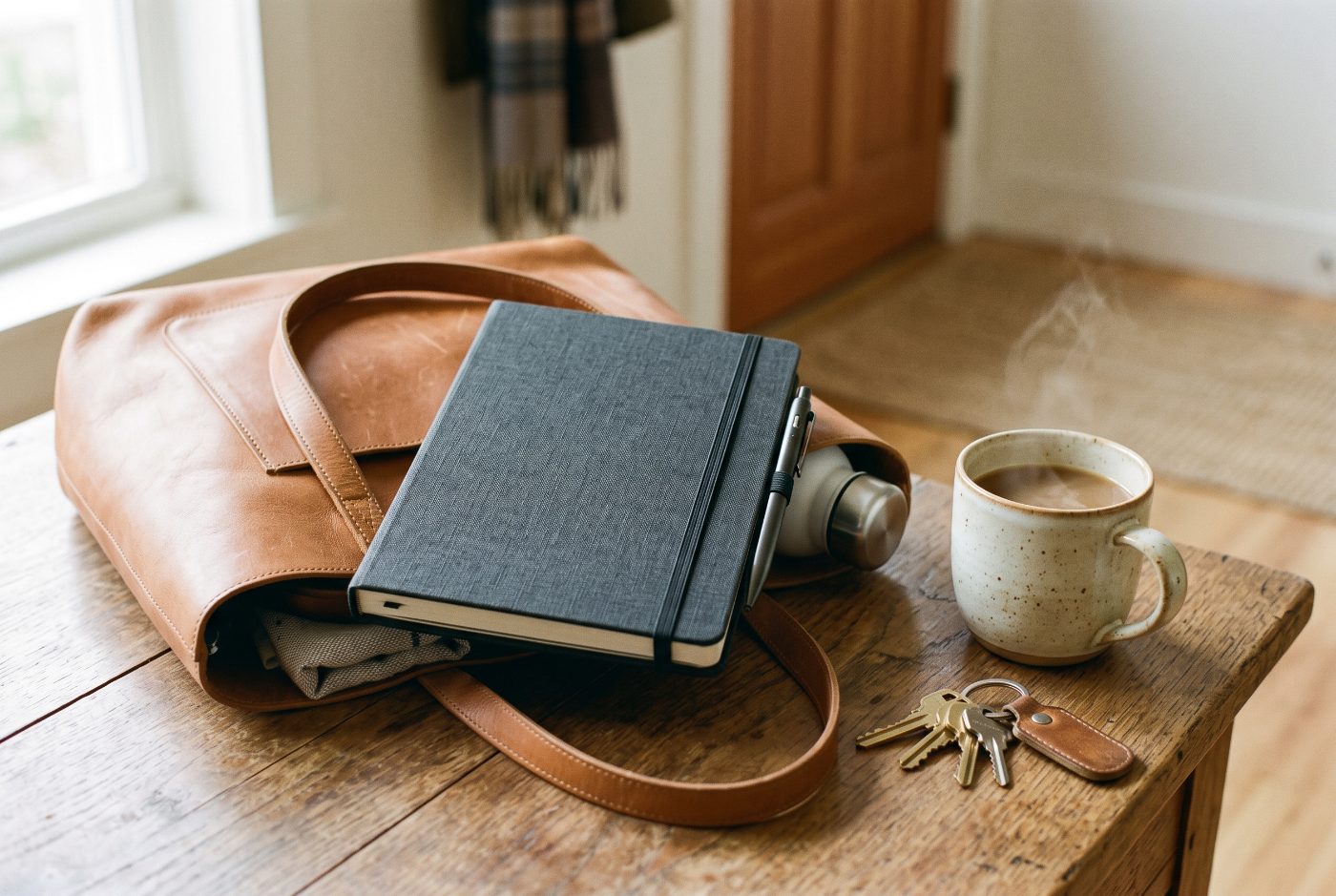
They keep it in a drawer. A planner only works if you see it. Keep it on the desk or in the bag you carry every day.
Here’s what I’d pick
For most people, get the Moleskine 2027 weekly. The whole week on one page, a notes page opposite, and a size that fits in a bag. It’s easy to keep up with, which is the whole point.
If you write every day and want room for it, the Hobonichi Techo is a joy to use. If you want goal-setting pages and the freedom to start any time, the Clever Fox is the one.
Whatever you choose, pick the layout that matches how much you write now. The best planner is the one you’re still using in March.