
⚖️Disclosure: MyVivaVitality is a participant in the Amazon Services LLC Associates Program, an affiliate advertising program. If you buy something through a link on this page we may earn a small commission, at no extra cost to you. It never changes which blower we recommend — the pick below isn’t the most powerful one on the list, for a reason.
Every fall, the same thing happens. The leaves come down, someone heads to the store, and they come home with the biggest blower on the shelf because the number on the box was the highest. Then it sits in the garage, too heavy to bother with, while they rake anyway.
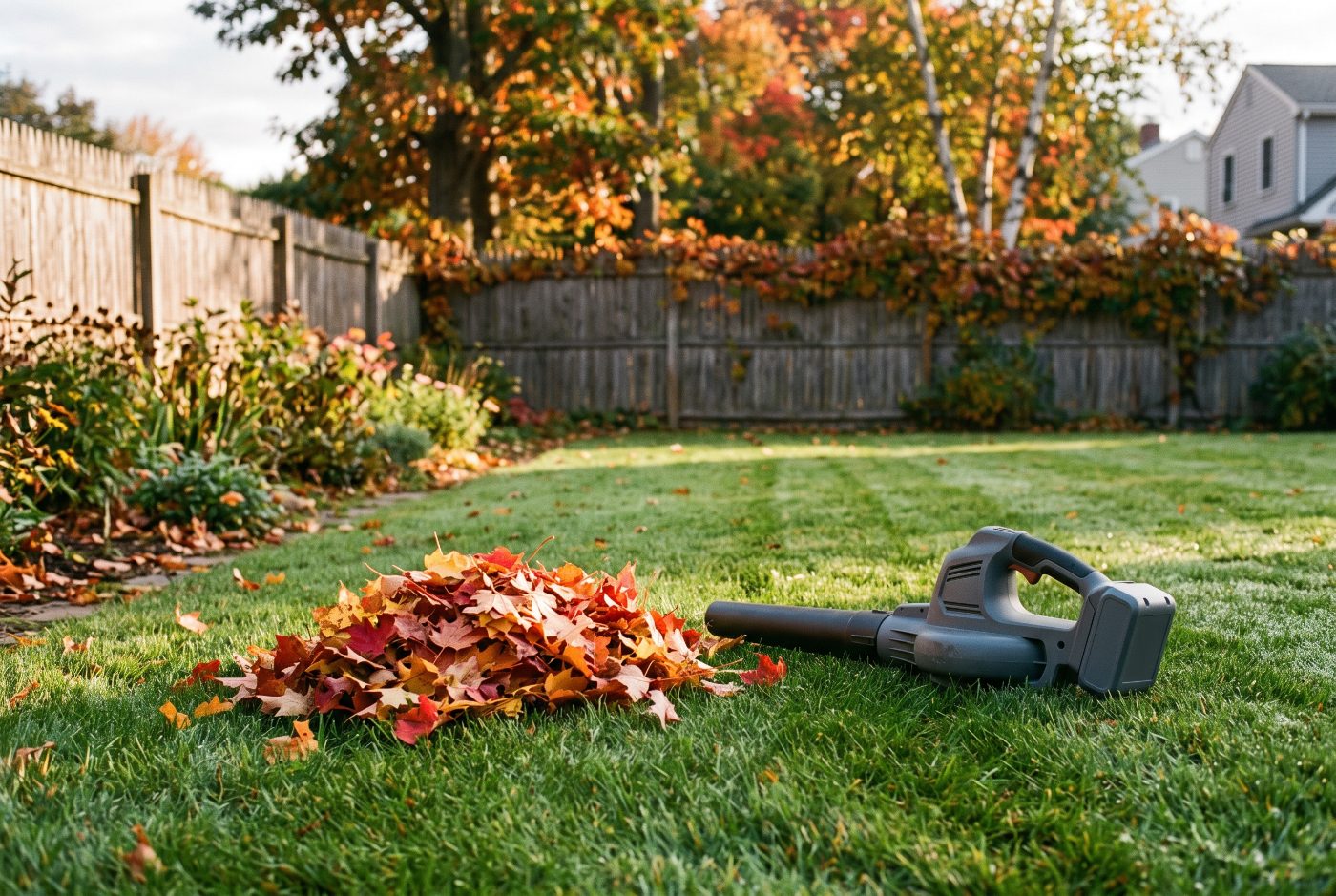
If your yard is a patio, a strip of lawn, a driveway and a couple of beds, you do not need the machine a landscaping crew uses. You need something light enough that you’ll actually grab it on a Saturday morning, strong enough to move damp leaves off grass, and quiet enough that the neighbors don’t hate you.
This guide compares five blowers, from a patio sweeper to a gas blower, and shows where each one stops making sense.
| Blower | Type | Airflow | Right for | The catch |
|---|---|---|---|---|
| BLACK+DECKER LSW321 | Cordless sweeper | 100 CFM | Patios, decks, garage floors | Not enough air for a lawn |
| Greenworks 40VOur pick | Cordless axial blower | 390 CFM | A small lawn, driveway and beds | Battery goes fast on the highest setting |
| WORX WG520 | Corded blower | 600 CFM | Yards within reach of an outlet | The cord |
| EGO LB6504 | Cordless blower | 650 CFM | A quarter acre or more | Weight, and more power than a small yard needs |
| Husqvarna 125B | Gas blower | 470 CFM | Large properties far from an outlet | Fuel, noise, pull start, town bans |
The pick isn’t the strongest blower here. For a small yard, the right amount of air is the amount you’ll actually carry around.
The one number that matters: CFM, not MPH
Blower boxes shout two numbers. MPH is how fast the air leaves the tube. CFM (cubic feet per minute) is how much air comes out. Speed lifts a stuck leaf off the ground; volume is what moves the pile.
Manufacturers love to lead with MPH because it’s the bigger, more exciting number. But a narrow jet of fast air just chases one leaf across the lawn. For clearing a yard, CFM is the number to compare.
Here’s the rough rule for a small property:
- Patio, deck, garage floor: almost anything works. You’re moving dust and a few dry leaves on a hard surface.
- A small lawn (up to about a tenth of an acre): somewhere around 350 to 500 CFM. That’s the range where damp leaves on grass actually move, without the weight of a bigger machine.
- A quarter acre with trees: 500 CFM and up starts to pay off, and battery runtime becomes the real limit.
- Half an acre and up: this is where the big machines earn their weight.
Most people with small yards buy for the last category. That’s the mistake this guide is about.
The pick sits right in the small-lawn band. The WORX and the EGO are built for more yard than most readers have, and the gas blower matches the band only on paper.
Cordless, corded or gas?
Cordless is the right answer for most small yards. No cord to drag around the beds, no fuel to mix, and it starts with a trigger. The trade-off is runtime: on high power, expect a battery to last somewhere around 15 to 30 minutes. For a small yard, that’s usually enough.
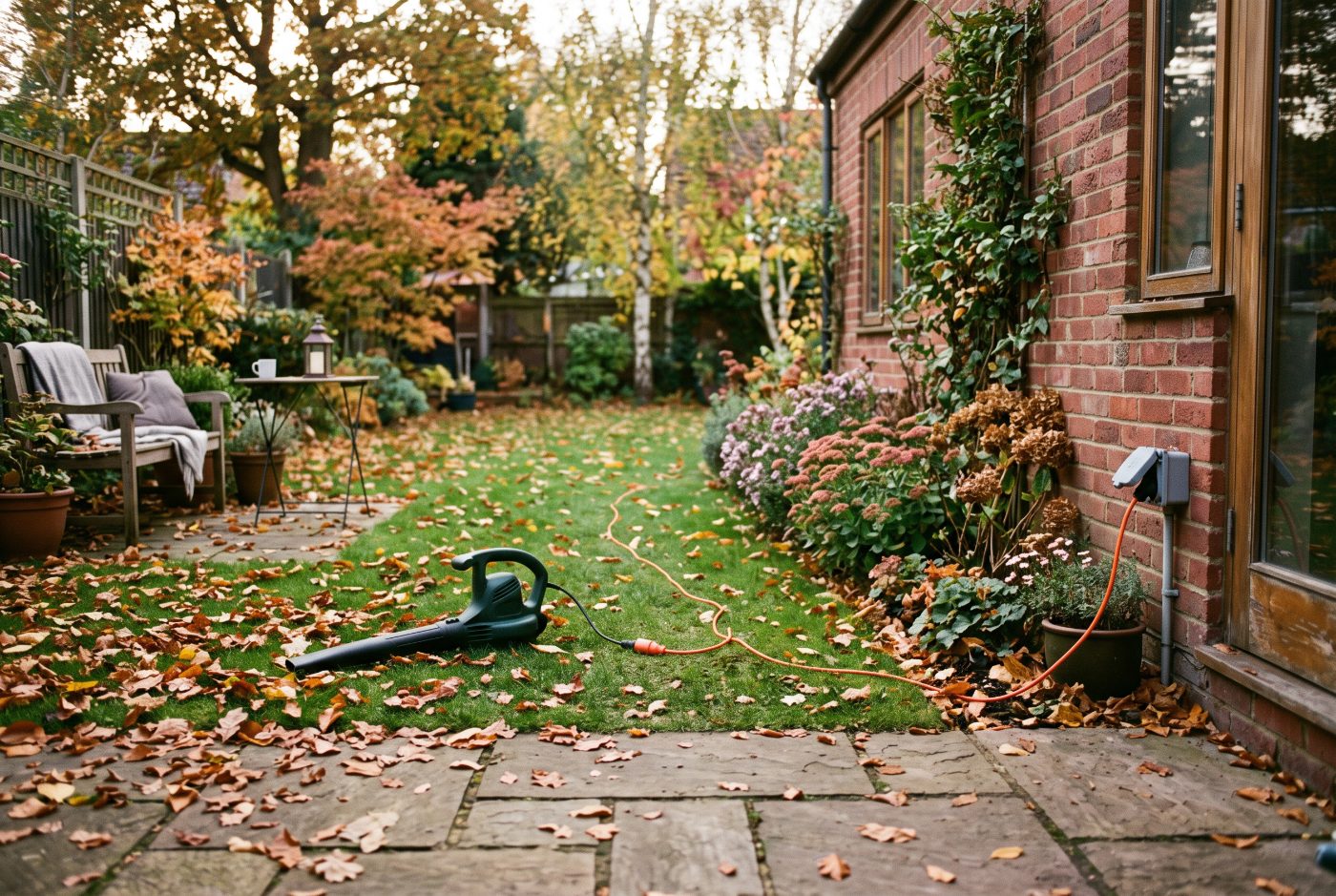
Corded blowers are the underrated option. They’re light, they never run out of battery, and you get a lot of air for the money. If every corner of your yard is within reach of an outdoor outlet and a 100-foot cord, don’t dismiss them.
Gas makes sense on big properties with no outlet in reach. On a small yard, it’s all downside: fuel to mix and store, a pull cord, more weight, and a lot more noise. Many towns now restrict gas blowers too.
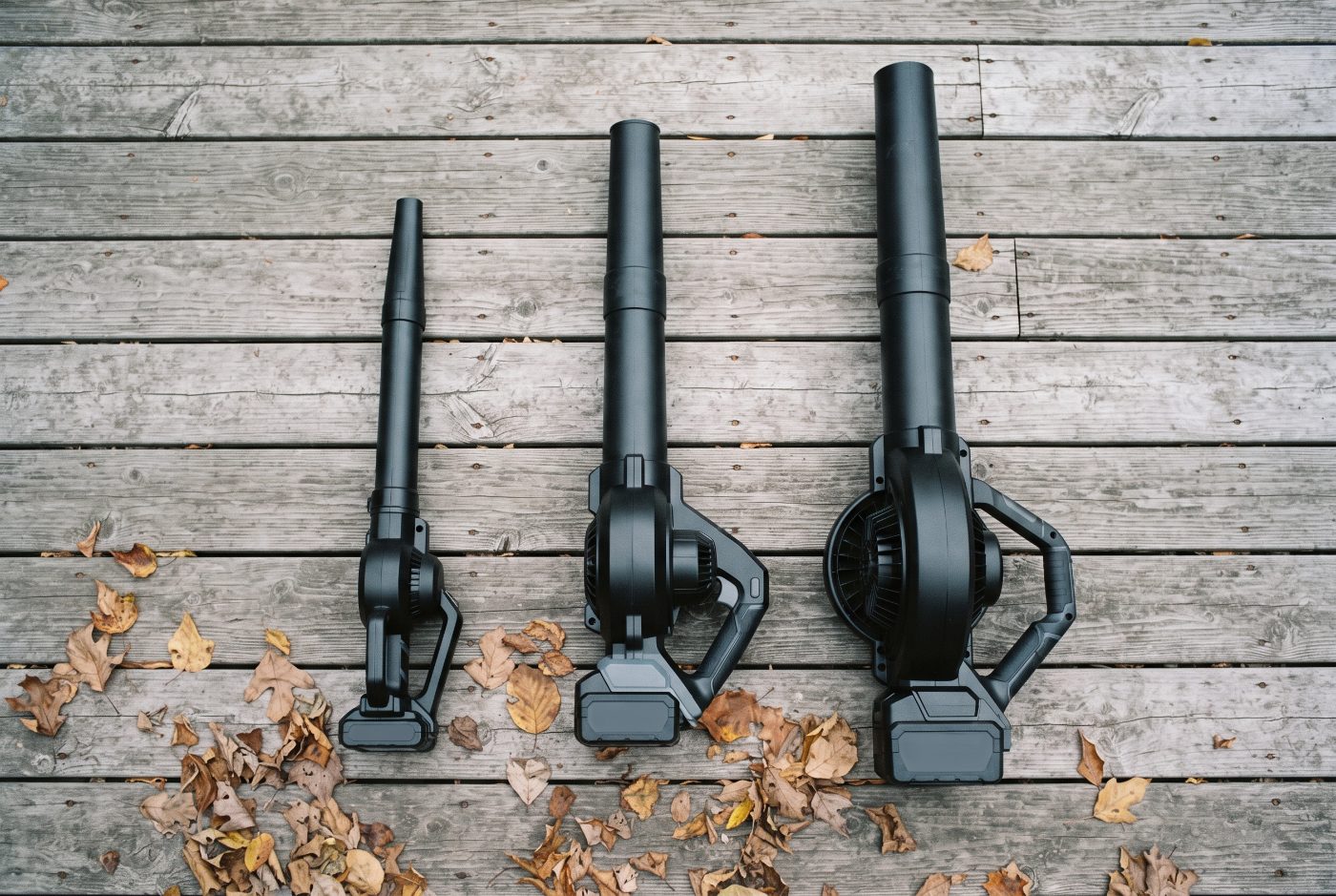
Amazon pricing moves constantly, so check the current figure before you buy. Here are the five, from the patio sweeper to the gas blower.
BLACK+DECKER 20V MAX Cordless Sweeper with Power Boost (LSW321)
Patios and decksThis is a sweeper more than a blower: a small, light stick for clearing hard surfaces.
- Right for
- Patios, decks, porches, garage floors and the grass clippings on the driveway after you mow. It weighs almost nothing, and if you already own BLACK+DECKER 20V tools, the battery is interchangeable.
- Skip it if
- You have an actual lawn with trees over it. It doesn’t have the air volume to push damp leaves across grass.
- The drawback
- Runtime and power both run out fast on anything bigger than a deck.
Greenworks 40V Cordless Leaf Blower (390 CFM)
Our pick for a small yardThis is the one I’d buy for a typical small yard.
- Right for
- A small lawn, a driveway and some beds. It has enough air to move damp leaves on grass, it’s light enough to use one-handed, and 40V batteries give it a sensible runtime. Greenworks also sells a large range of mowers and trimmers on the same battery.
- Skip it if
- You have a quarter acre or more under big trees. You’ll spend the afternoon swapping batteries.
- The drawback
- On the highest setting, the battery goes faster than you’d like. For a small yard you’ll rarely need that setting, but buy the kit with the battery and charger included, not the bare tool.
WORX WG520 12 Amp Turbine Corded Blower
Value pick, if you have outletsThis is the value pick, if you have outlets where you need them.
- Right for
- Yards where every corner is within reach of an outlet. It moves nearly as much air as the EGO below at about half the weight, and it never needs charging.
- Skip it if
- Your yard wraps around the house, or the beds are far from any outlet. Dragging a long cord around shrubs gets old fast.
- The drawback
- The cord. You’ll need a heavy-gauge outdoor extension cord, and you’ll spend some of every session keeping it out of the flowerbeds.
EGO Power+ 650 CFM Cordless Blower (LB6504)
The upgrade for bigger yardsThis is a superb blower, and for most small yards it’s more than you need.
- Right for
- A quarter acre or more, heavy leaf fall, wet leaves matted into the lawn. It’s about as strong as cordless blowers get, and EGO’s 56V battery system is excellent.
- Skip it if
- Your yard is small. You’ll carry more weight and pay for power you’ll only use at the lowest setting.
- The drawback
- Weight. With the battery in, it’s noticeably heavier than the Greenworks, and on a small yard you’ll feel that more than you’ll use the extra air.
Husqvarna 125B Gas Blower
Skip it for a small yard- Right for
- Large properties far from an outlet, where you need to run for an hour without stopping.
- Skip it if
- You have a small yard. That means almost everyone reading this guide.
- The drawback
- Everything that comes with gas. You mix fuel and oil, start it with a pull cord, and store a gas can in the garage. It’s much louder than electric, and some towns now ban gas blowers outright. On a small yard, you’re paying all those costs for power you’ll never use.
What most people get wrong
They buy the biggest MPH number. High speed with low volume makes a blower that’s loud and chases leaves around. Compare CFM.
They buy for the yard they wish they had. A blower that’s too heavy doesn’t get used. The right size is the one you’ll pick up without thinking about it.
They buy the bare tool. Cordless blowers are often listed “tool only,” without a battery or charger. Unless you already own that brand’s batteries, get the kit.
They blow leaves when they’re wet. Wait for a dry afternoon if you can. Dry leaves move with half the air, which means a smaller blower and a battery that lasts the job.
Here’s what I’d pick
For a typical small yard, get the Greenworks 40V. It has enough air for damp leaves on grass, it’s light enough that you’ll use it, and the battery works across a whole range of yard tools if you add more later.
If your yard is basically a patio and a deck, the BLACK+DECKER sweeper is all you need. If every corner is within reach of an outlet and you don’t mind a cord, the WORX gives you the most air for the money.
The EGO is the one to grow into: if you ever move to a bigger lot with big trees, that’s the upgrade. The gas blower is the one to skip.